MD type code 324120 (virtual rehabilitation system, unsupported, clinical).
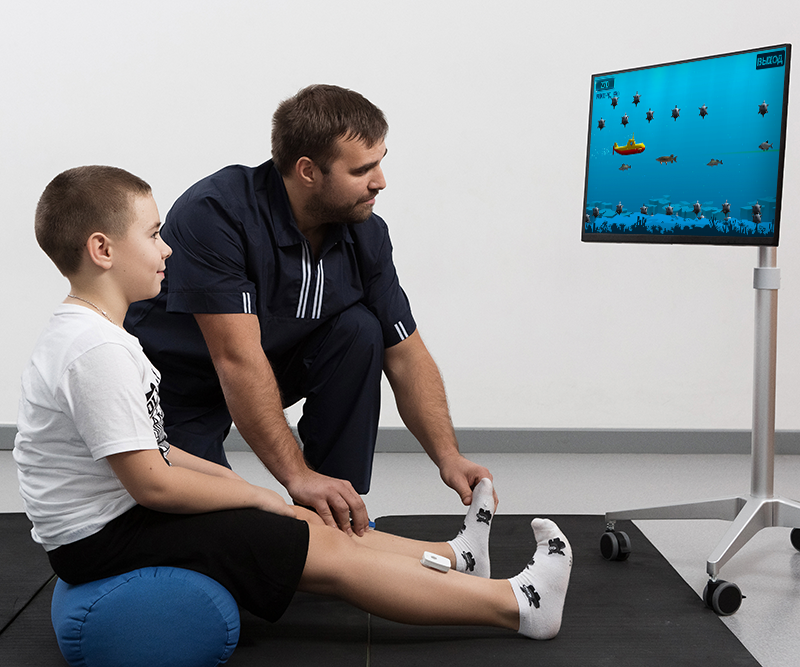
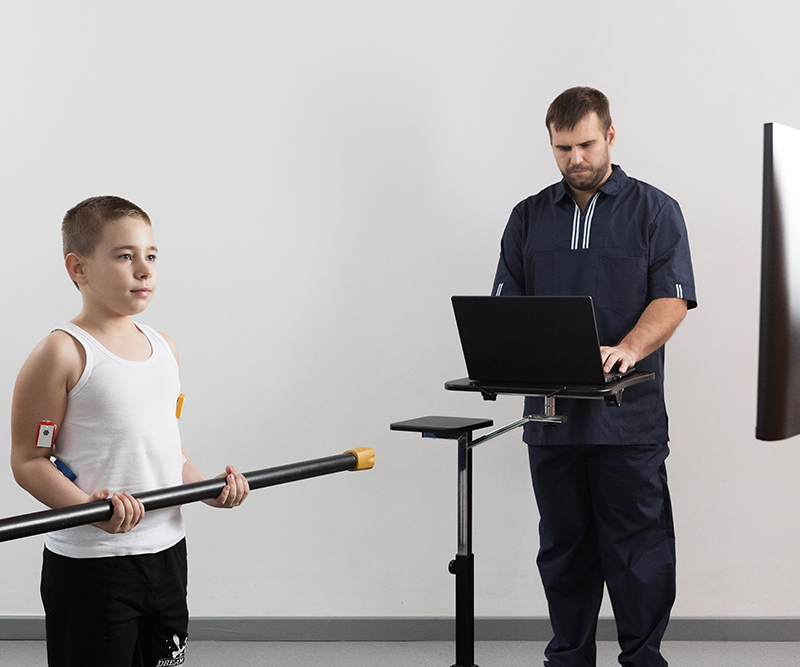
The system is designed to conduct rehabilitation training of the musculoskeletal system (MSS) using the biofeedback (BFB) method, and can be used with equally high efficiency with both adult patients and children.
The system allows for a preliminary assessment of the condition and provides the opportunity to conduct biofeedback (BFB) training with monitoring of the dynamics of recovery effectiveness.
The complex allows for conducting trainings on the required number of custom configurable channels (within one training session, one to four channels can be used simultaneously). The signal type for each sensor is set via software.
What is BFB?
The method of biofeedback (BFB) is a non-drug, highly effective method of restoring the functional state and regulation of various systems of the human body. This is a modern medical computer technology based on the method of adaptive feedback (biofeedback).
The main objective of biofeedback is to teach self-regulation and self-control skills.
Benefits of the BFB method:
- he method is physiological: it is based on the activation and mobilization of the human body’s reserves;
- long-term retention of self-regulation skills acquired during BFB training;
- individual approach to each training session;
- active involvement of the user in the rehabilitation process;
- method simplicity;
- non-invasiveness (the procedure is absolutely painless);
- no side effects;
- high level of user motivation;
- high and proven efficiency.
System intended purpose
The Kolibri BFB device for rehabilitation of the musculoskeletal system allows for BFB training by recording the functional activity of muscles and angle limb in various movement disorders.
Areas of application of the Kolibri BFB system:
- neurology;
- orthopedics;
- traumatology;
- sports medicine;
- rehabilitation of the musculoskeletal system;
- neurorehabilitation.
The system is suitable for rehabilitation of both adults and children!
Primary indications
EMG BFB is used to correct and restore various types of motor functions, damaged muscle fibers and nerve trunks:
- rehabilitation for the consequences of cerebral palsy, strokes, brain injuries;
- training of weakened paretic muscles in case of damaged nerve trunks;
- treatment of facial nerve paresis;
- sports training;
- "drop" hand and/or foot;
- neuropathy of the median and ulnar nerves;
- radiculo- and myelopathy of the cervical level;
- cerebral paresis;
- brachial plexus plexopathy;
- C5-C6 radiculopathy, cervical myelopathy;
- femoral nerve neuropathy;
- gonarthrosis and ligament injuries of the knee joint;
- plexopathy, C3-C4 radiculopathy;
- constitutional CTD syndrome, Scheuermann's disease;
- flat feet;
- scoliosis, etc.
Contraindications
The BFB method has no absolute contraindications, however, there are several relative ones:
- obvious mental and/or cognitive disorders;
- children under 4 years old (due to insufficient mental development);
- patient objections to sessions.
System composition and operating principle
The Kolibri hardware and software complex for rehabilitation of the musculoskeletal system consists of:
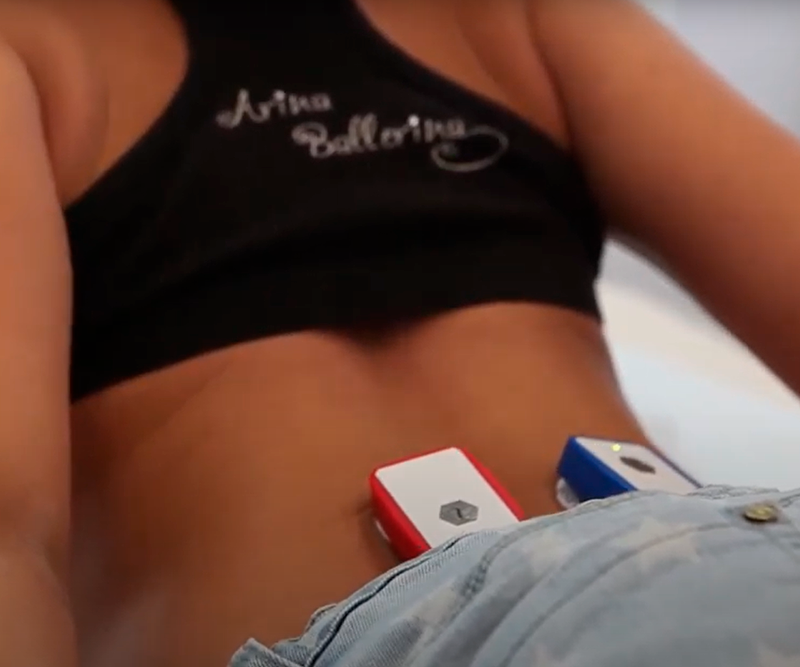
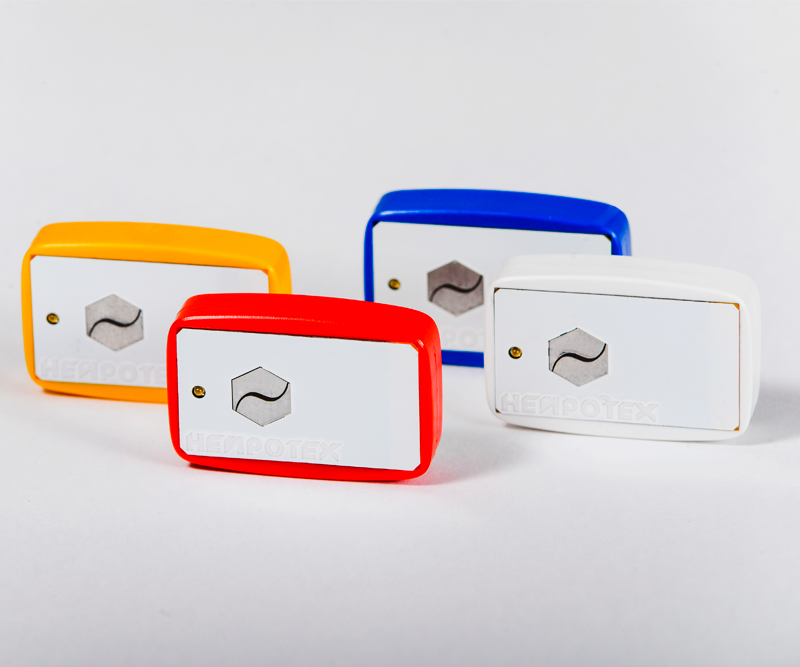
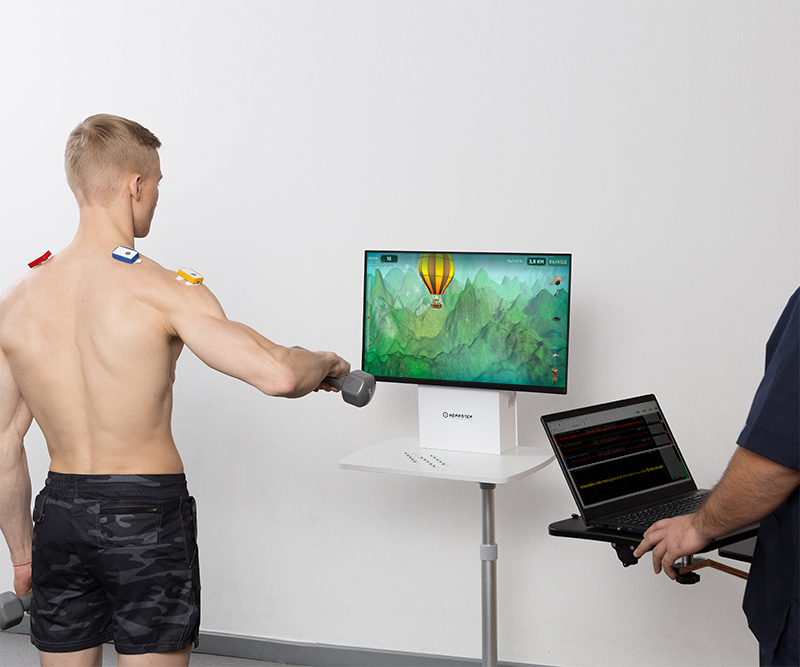
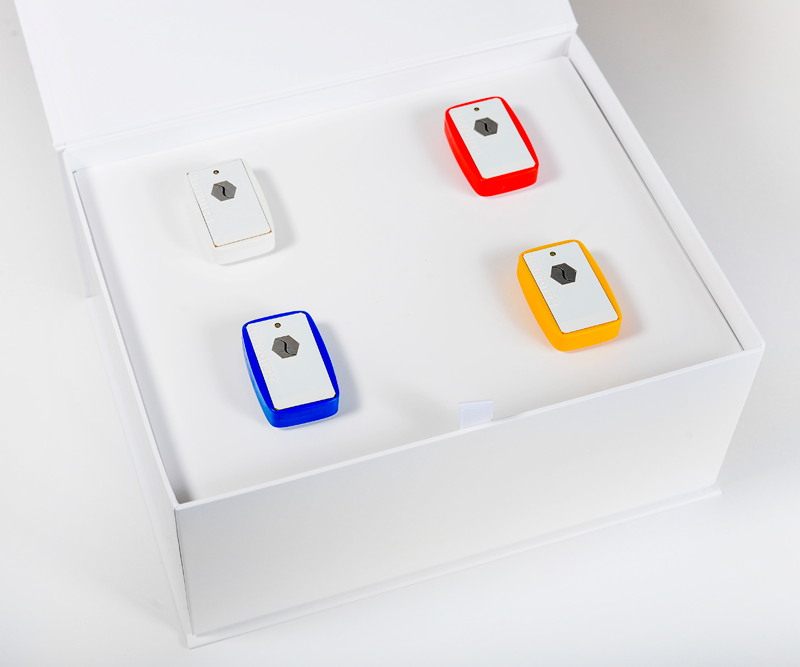
- four wireless Kolibri sensors —– for direct EMG recording of affected muscles and the angle of weakened limb;
- transmit/receive module – for wireless transmission (via Bluetooth connection) of recorded data from sensors to software;
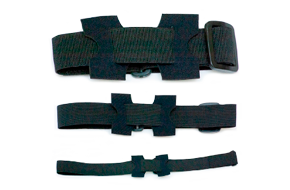
- a set of tapes – for secure fixation of sensors on the back/arms/legs when performing active motor exercises;
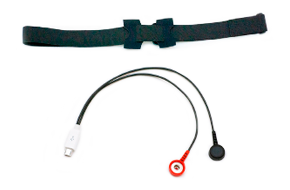
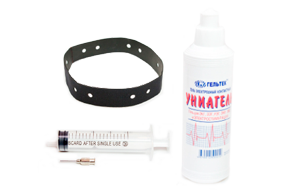
- a set of disposable electrodes – to ensure contact of the sensors with the patient’s skin and signal recording;
- software – for processing and displaying signal parameters (EMG and the angle limb) on the physician’s (specialist’s) screen, with subsequent interpretation in a game scenario (feedback mechanism) for display on the patient’s monitor.
How does this work?
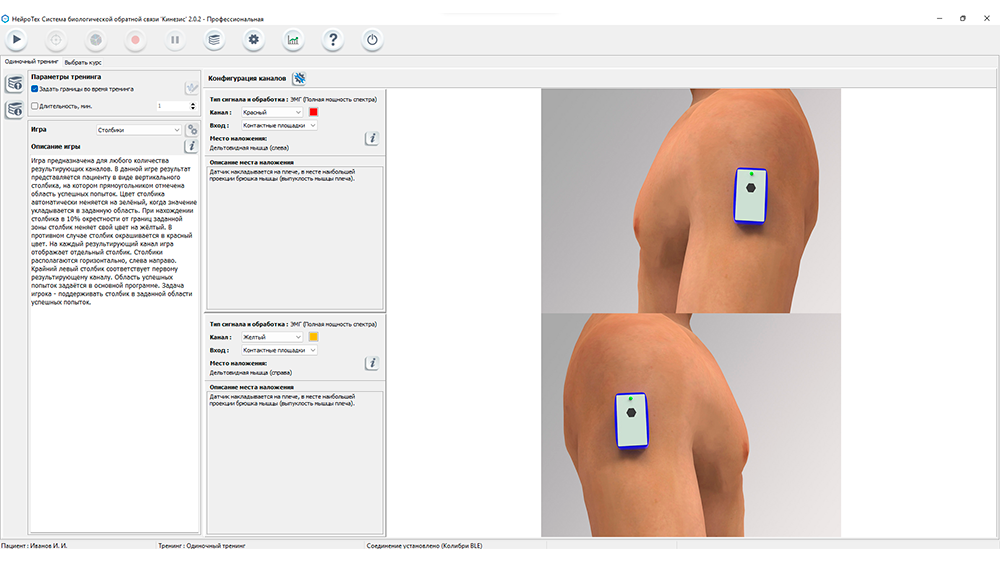
1. The specialist identifies the target muscle and places the sensor on the belly of the muscle, relying not only on professional experience, but also on text and graphic prompts in the program.
2. The specialist flexibly adjusts the training parameters individually for each patient, taking into account the current functional capabilities and features. Options for setting up parameters and training modalities are detailed in the program instructions.
3. After the training starts, the sensors begin to record muscle activity (EMG signal) or the angle of limb abduction and transmit data (via Bluetooth protocol LE) into a program installed on a specialist’s computer or laptop.
4. Specialized software processes the received data and displays it as:
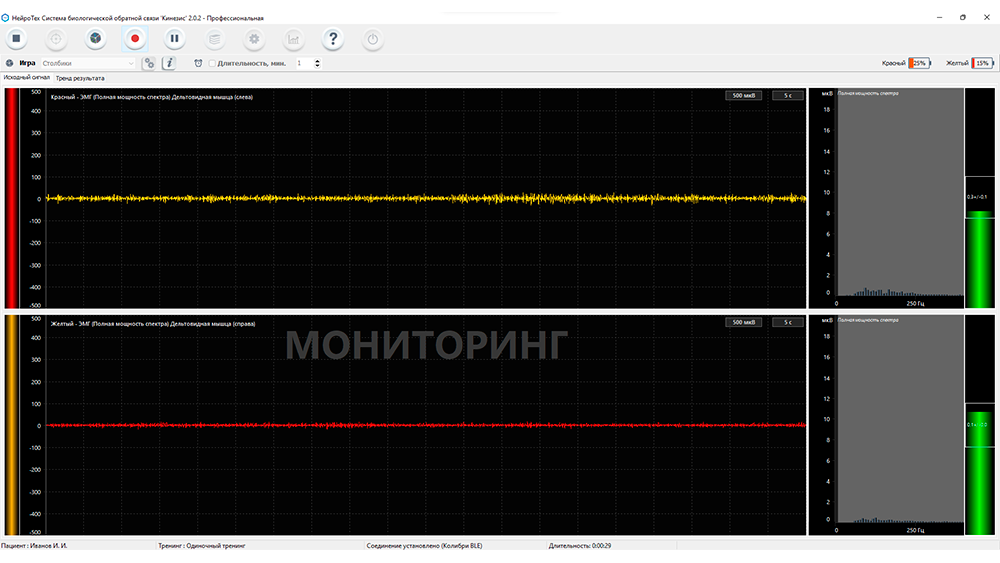
- initial signals – on the specialist's screen;
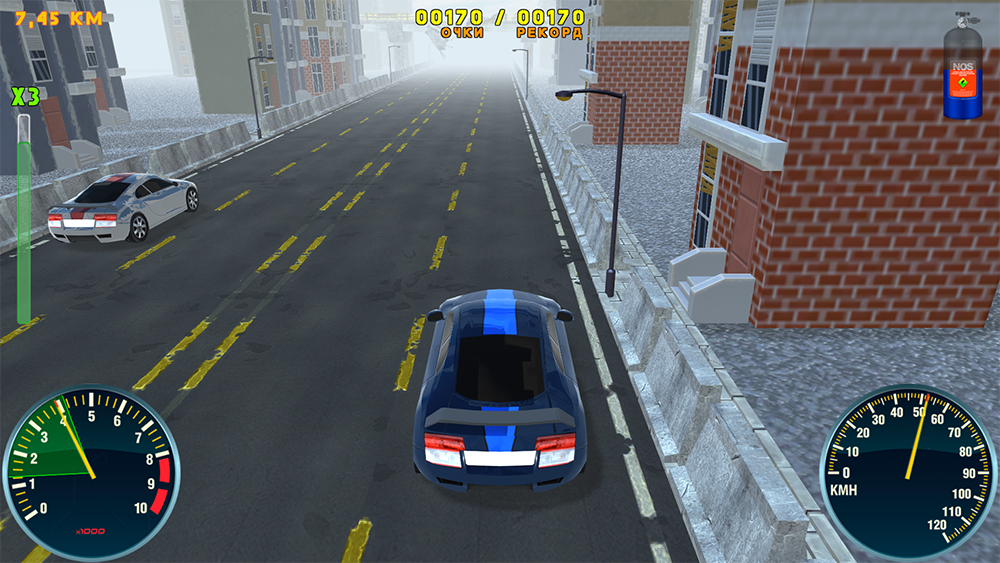
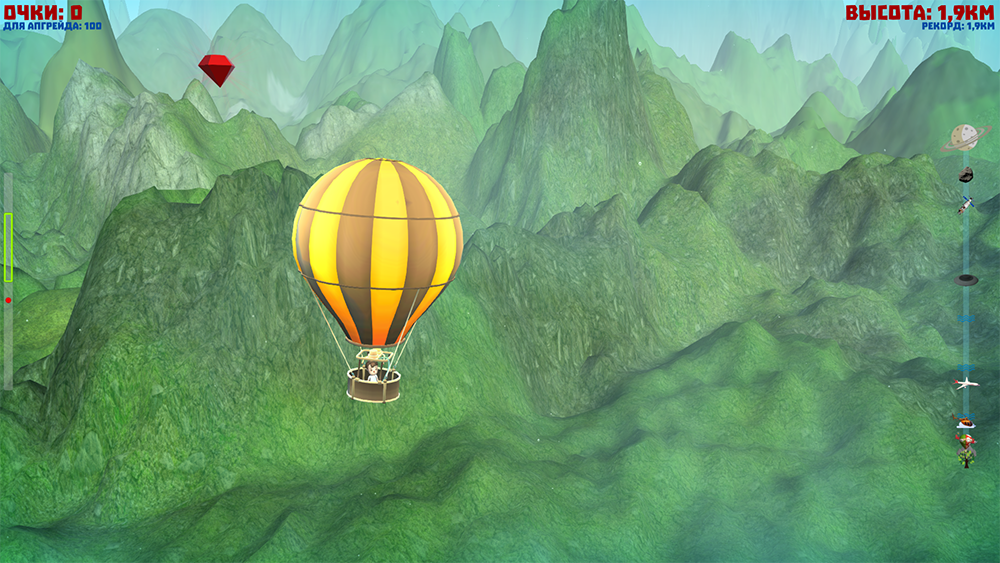
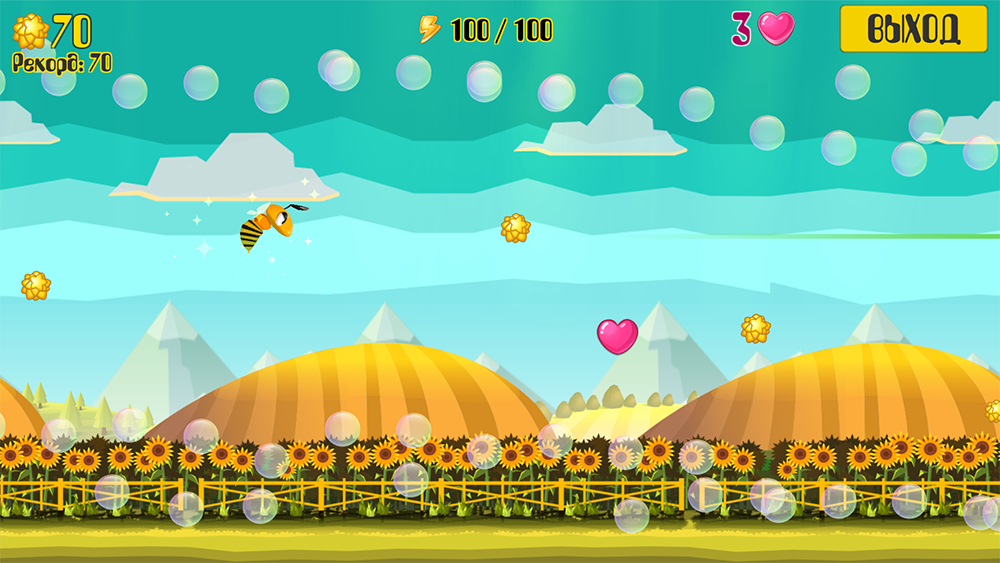
- game scenario – on an additional monitor for the patient.
5. The patient controls the game by tensing and relaxing a muscle or by changing the angle of the limb.
Thus, the patient not only restores the functional state of the target muscle, but also activates the neural connection between the brain and the muscle.
Who can conduct BFB training sessions?
The Kolibri BFB Complex is not diagnostic, but is intended to conduct exclusively rehabilitation procedures to restore the functional capabilities of superficial muscles.
Thus, the Kolibri hardware and software complex can be operated by:
- a neurologist;
- a traumatologist-orthopedist;
- a rehabilitation physician;
- a physical therapy instructor;
- mid-level medical personnel (nurse), acting in accordance with the instructions and recommendations of the attending physician (specialist).
For correct and effective work, it is enough to train the personnel in the basic functions of the complex software, basic features of the operation of the device itself and the principles of the BFB method.
System benefits
- the presence of a simplified version of the system that enables to continue rehabilitation BFB training sessions independently, at home;
- the miniature size of the sensors provides flexibility and comfort in the specialist’s work with the patient;
- the wireless design of the complex minimizes artifacts and ensures reliable and high-quality signal recording;
- the delivery set includes four sensors, which enables to conduct training via the required number of channels (up to four channels can be used simultaneously within one training session);
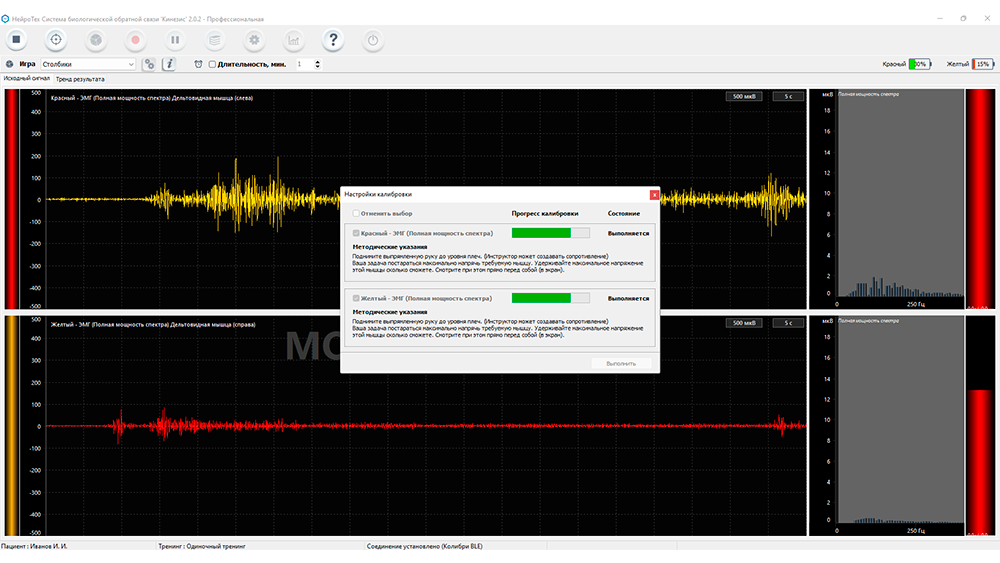
- channel-by-channel configuration and control of sensors: sensitivity and amplitude range settings for each channel are set via software;
- the received signal is transmitted to multifunctional and convenient software installed on a computer or laptop;
- the data obtained allow the specialist to objectively assess the patient’s current capabilities, select a treatment protocol based on individual characteristics, adjust the parameters of training with biofeedback, dose and control the load both during each session and throughout the entire course of treatment;
- an intelligent mathematical model that describes real parameters of muscles: this model allows for adjustment to the individual characteristics of a patient, which increases the accuracy of physiological perception and allows for the use of the correct training pattern;
- special sensors allow to track the state and changes in physiological processes that are difficult to feel and control under normal conditions;
- for maximum rehabilitation effectiveness, game motivation technology is used. For the patient, the program transforms the recorded signals into a game. By controlling the target physiological parameters, the patient controls the game. Thus, the patient influences the correctness of training, learns to specifically control the target (trained) physiological parameters;
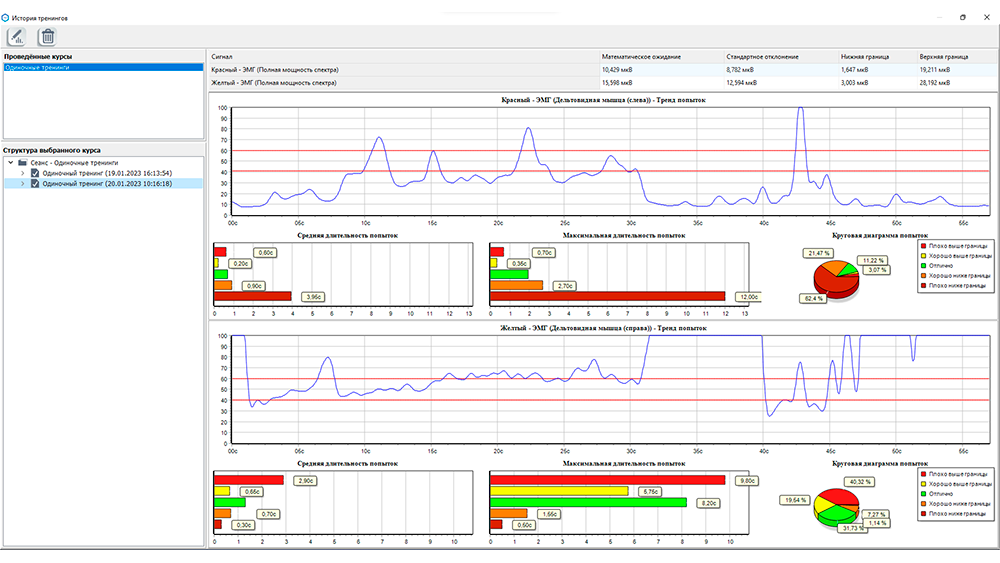
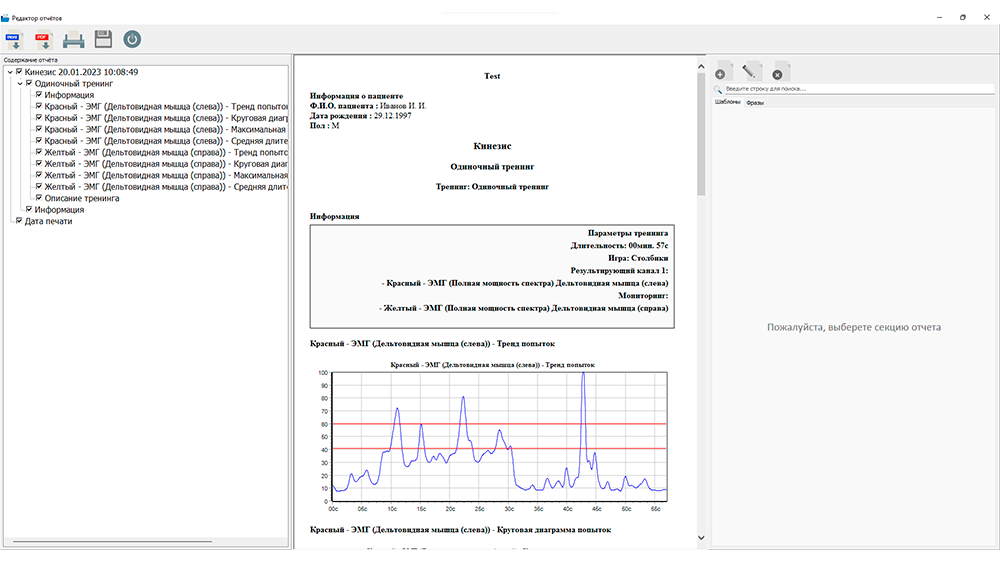
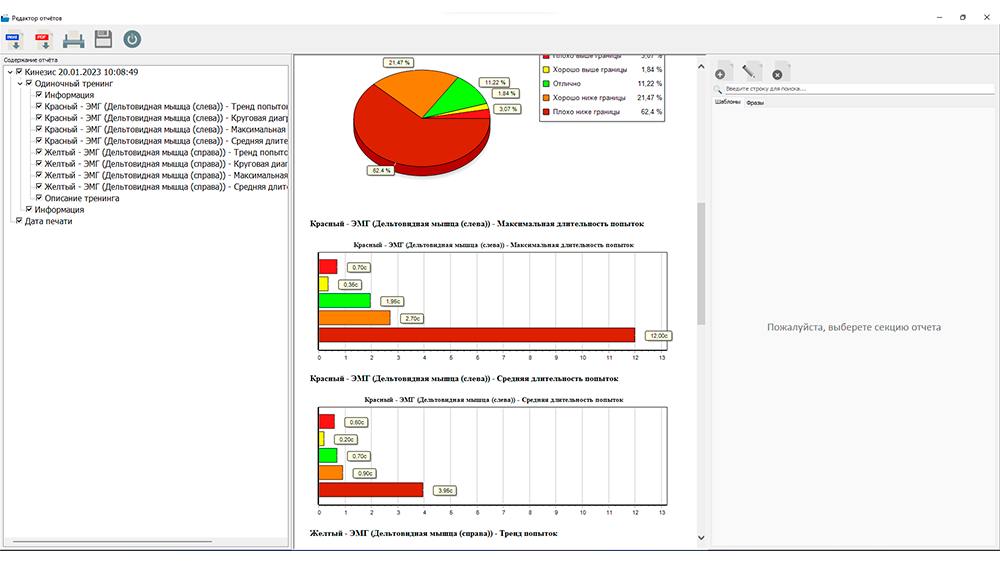
- after each training, a report is generated that clearly and objectively reflects the effectiveness of the work done;
- the possibility of conducting multimodal trainings, the configuration of which allows to use the combination of EMG and abduction angle signals;
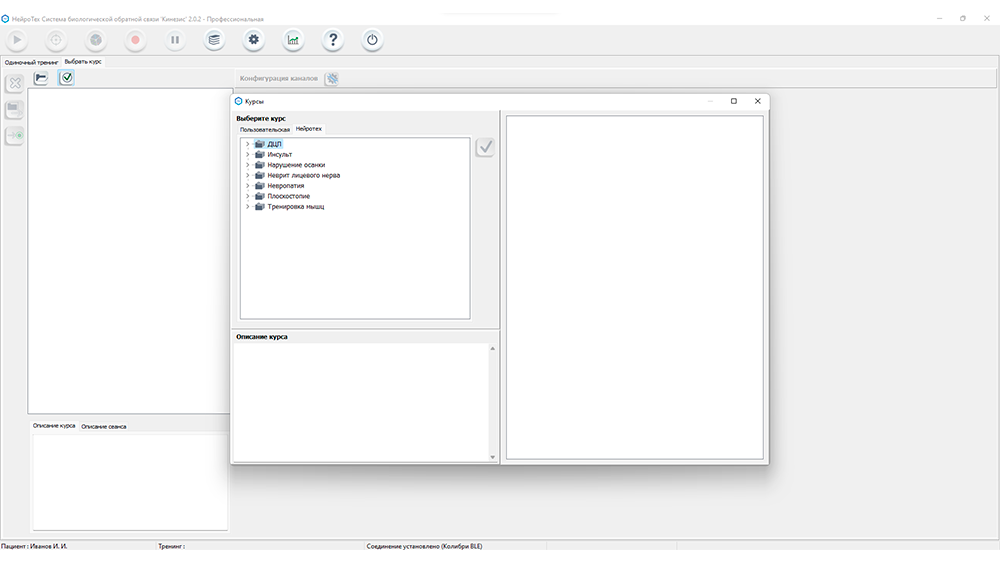
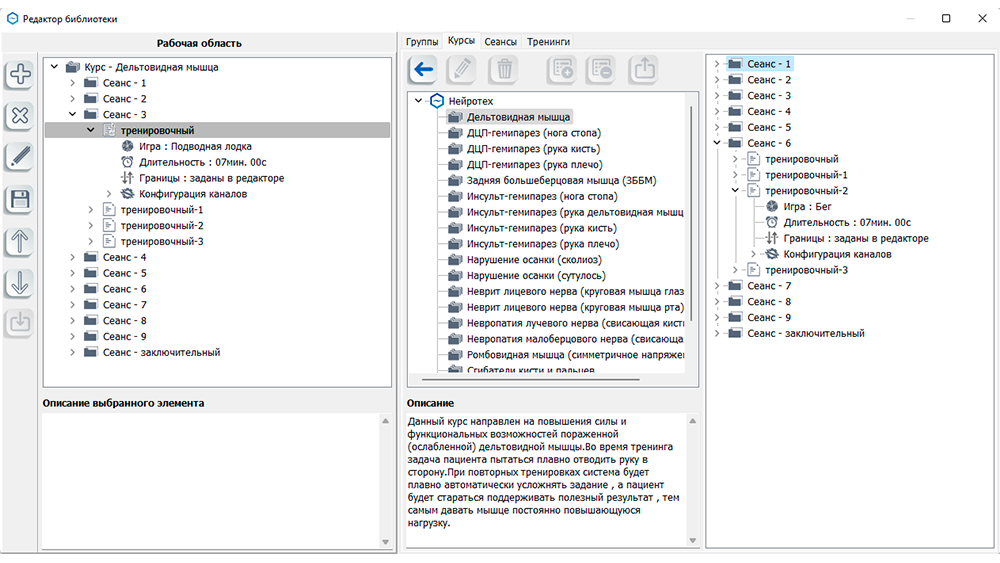
- the presence of a database of pre-installed courses developed by practicing specialists: the system allows selecting a course in accordance with the patient’s medical history and conducting training automatically. Pre-created training templates allow for rehabilitation training sessions in conditions of a large flow of patients and serve as an aid to a specialist (physician's assistant, nurse, exercise therapy instructor). The structure of the courses is designed to gradually increase the complexity of tasks, which allows to gradually increase the result obtained;
- the system allows to create and save new training templates for different rehabilitation tasks.
Key software functions:
- the program allows to work in dual monitor mode: the software functions are automatically distributed between the specialist's monitor and the patient's monitor, which allows the latter not to be distracted from the game situation by physiological indicators necessary exclusively for the professional analysis;
- the ability to customize the number of channels used in a training session (up to 4 simultaneously);
- the presence of a library of pre-installed courses and trainings developed by practicing specialists and intended for various rehabilitation purposes (psycho-emotional correction, restoration of muscle motor activity, etc.);
- development of your own unique methods (training courses) aimed at correcting the necessary parameters, with their subsequent saving in the user library;
- the ability to configure monitoring channels that are not involved in the game process (monitoring channels can be used during a sports exercise to control the tone of antagonist muscles or to analyze the heart rate value);
- the possibility of conducting multimodal training sessions that enable to work simultaneously with several different types of signals;
- adaptation to a specific user taking into account individual characteristics (the presence of an expert adaptive system in the program for determining the patient’s capabilities before the start of training);
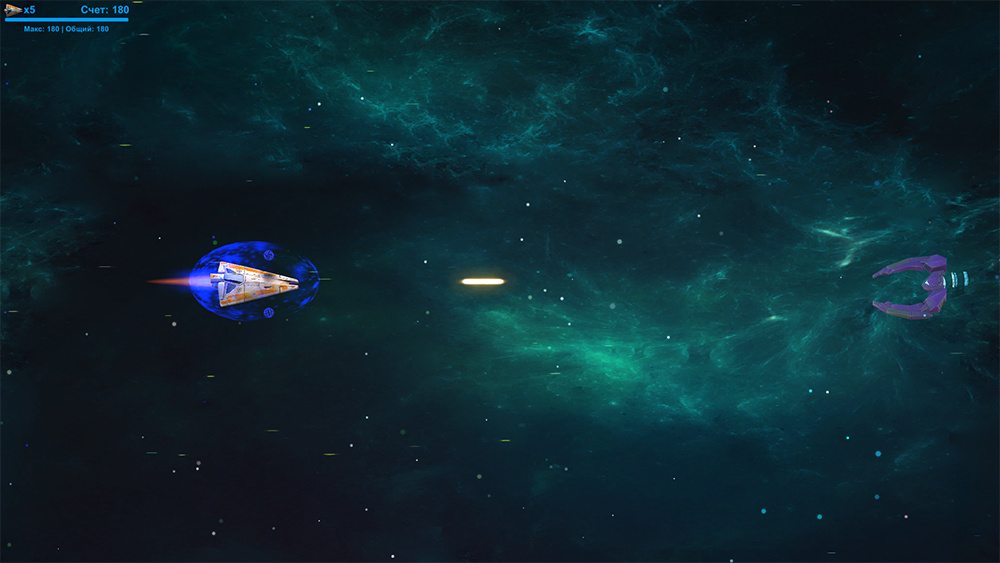
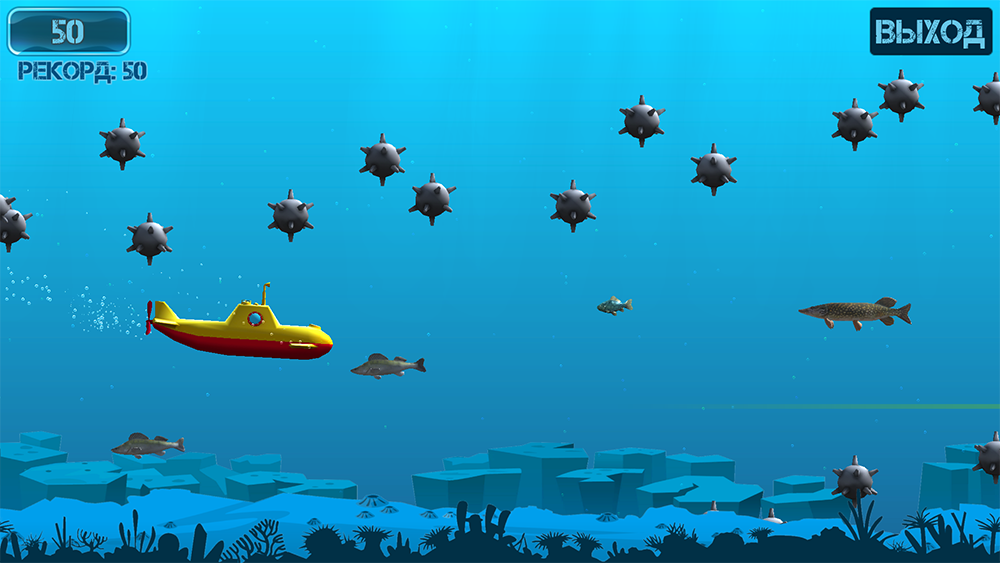
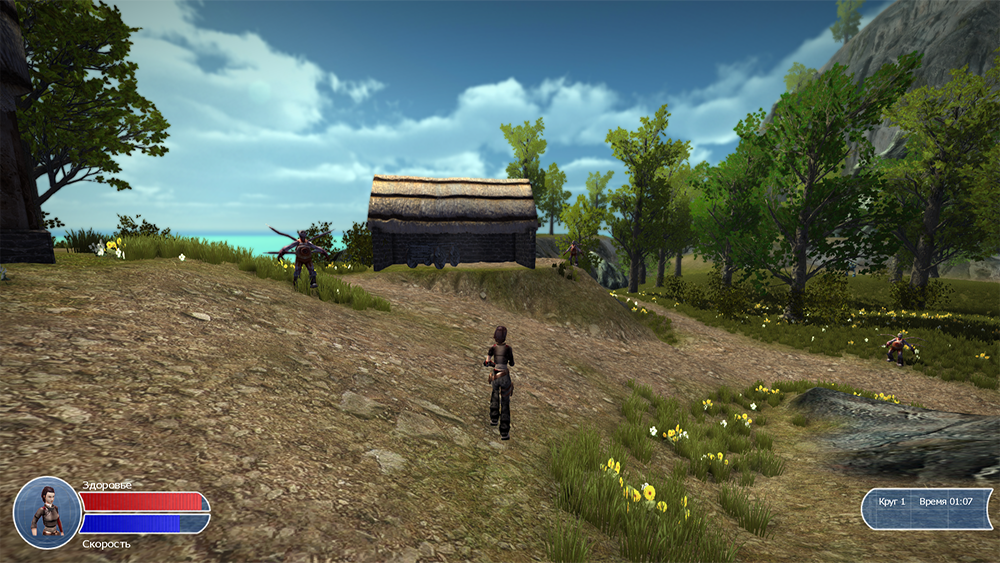
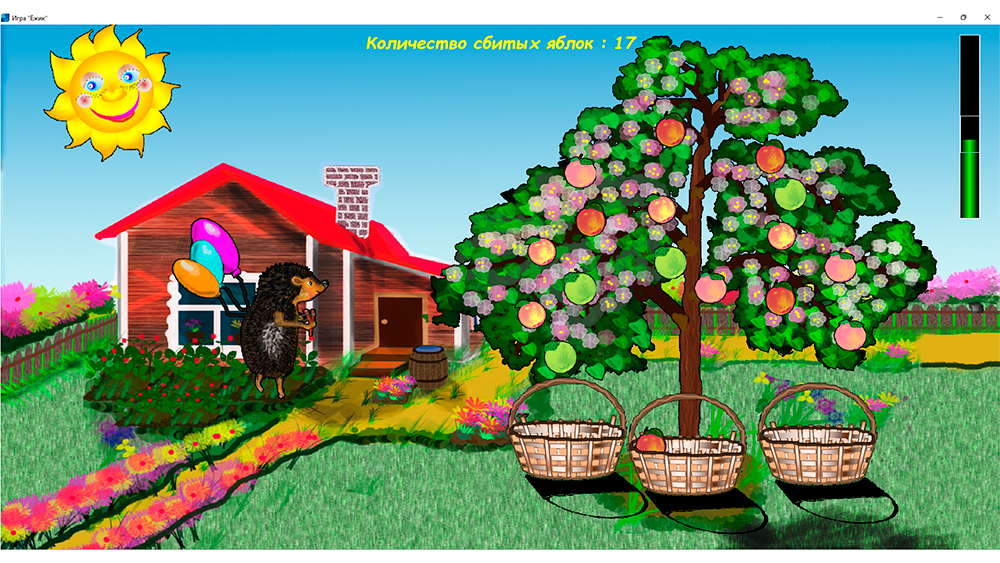
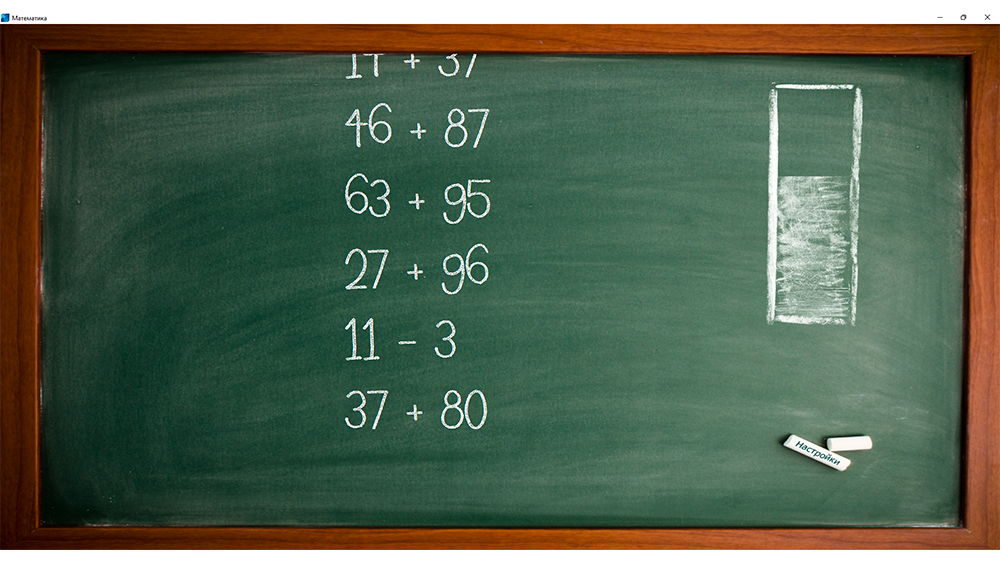
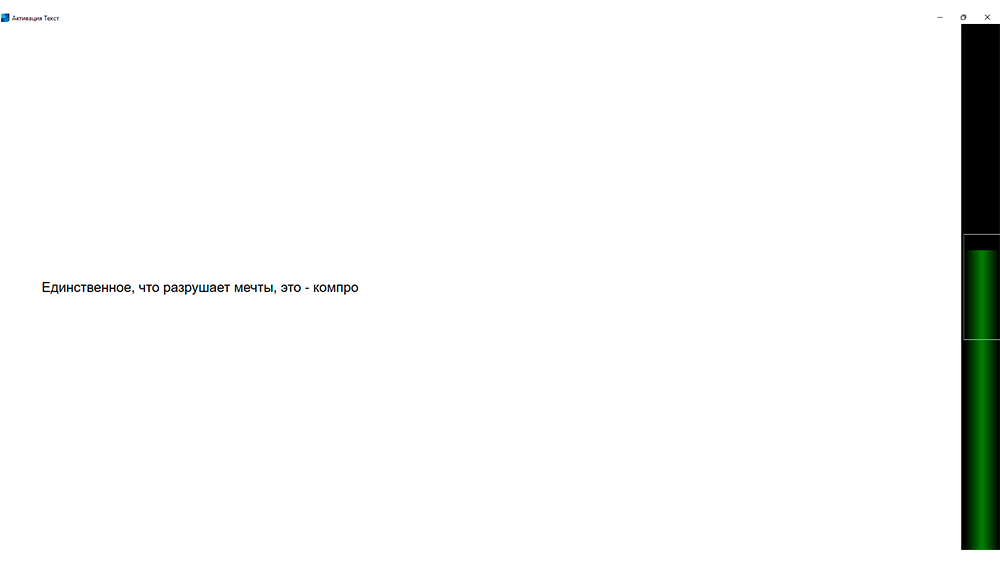
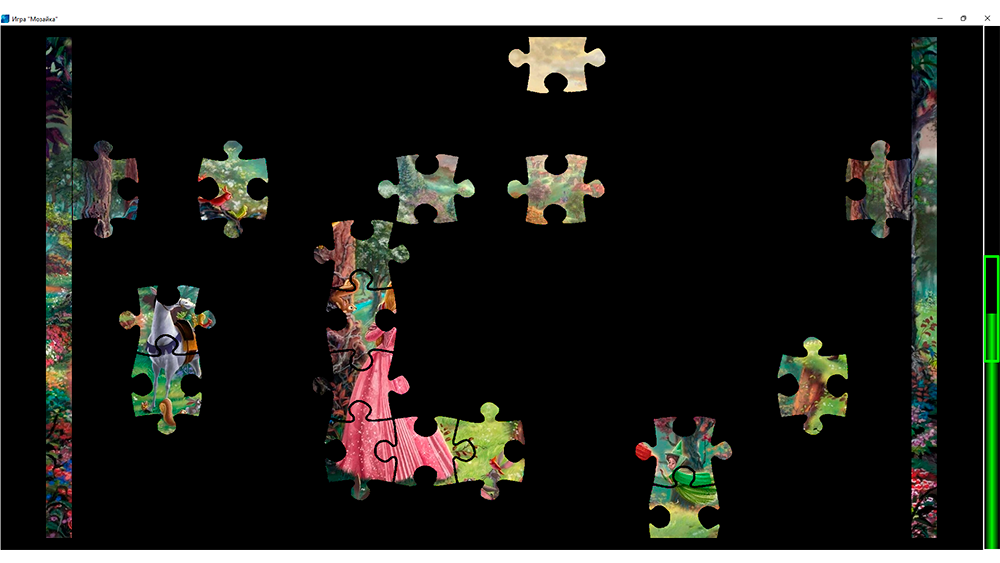
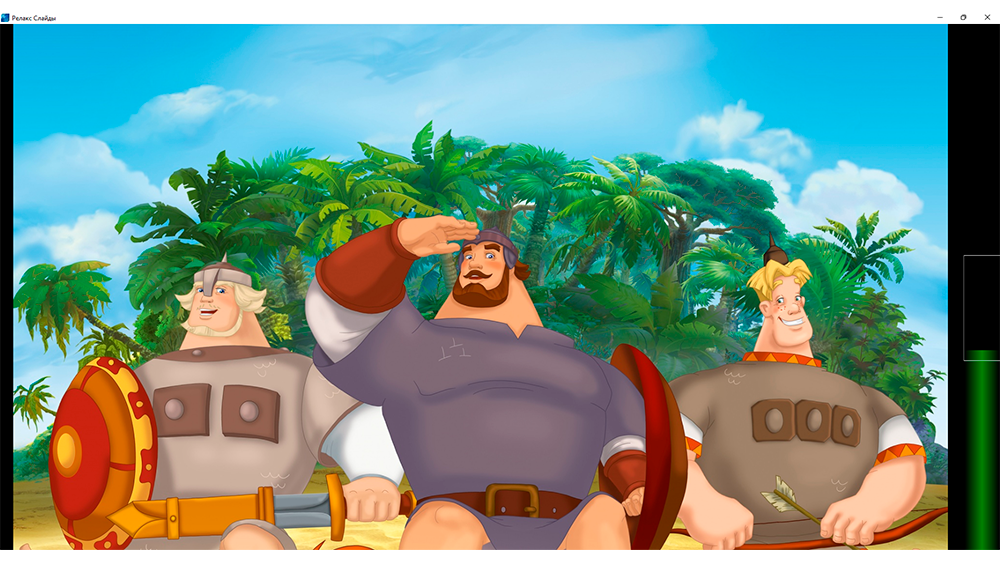
- the presence of a variety of game situations (more than 15 games) that attract the user and make the rehabilitation process more visual and engaging;
- allows to pause the gameplay (if necessary) during the training (pause mode in games);
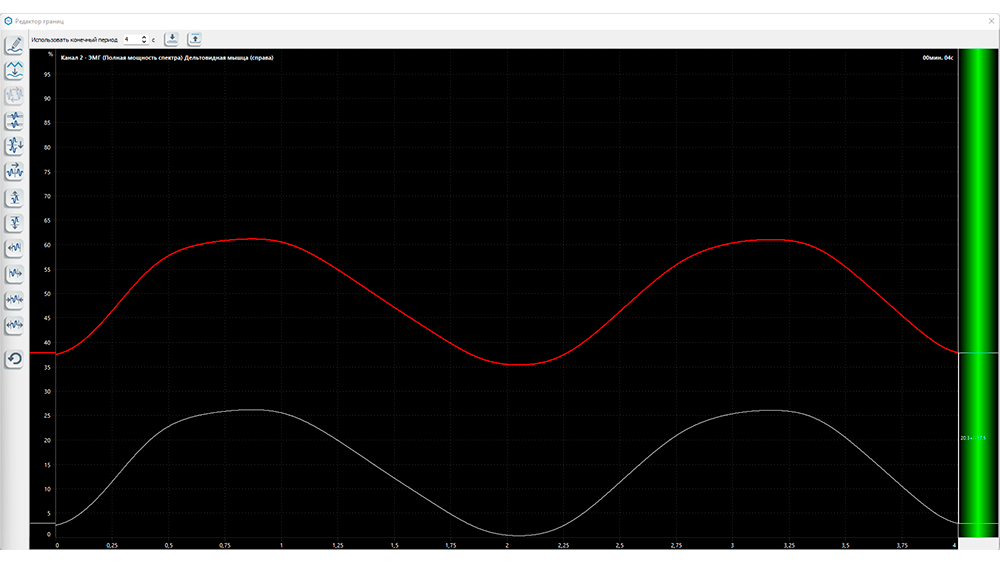
- provides the ability to manually (directly during training) and automatically (contains a built-in editor for channel-by-channel creation of arbitrary laws) control the boundaries of the area of successful attempts;
- the ability to adjust the depth of feedback (sensitivity of the program's response time to changes in the physiological signal);
- allows to set the time for automatic completion of training (end of training timer);
- during training, the program displays the initial physiological signal being recorded and the trend of attempts on the specialist’s screen;
- calculation of EMG signal spectrum in real time;
- generates an advanced report on each training session conducted;
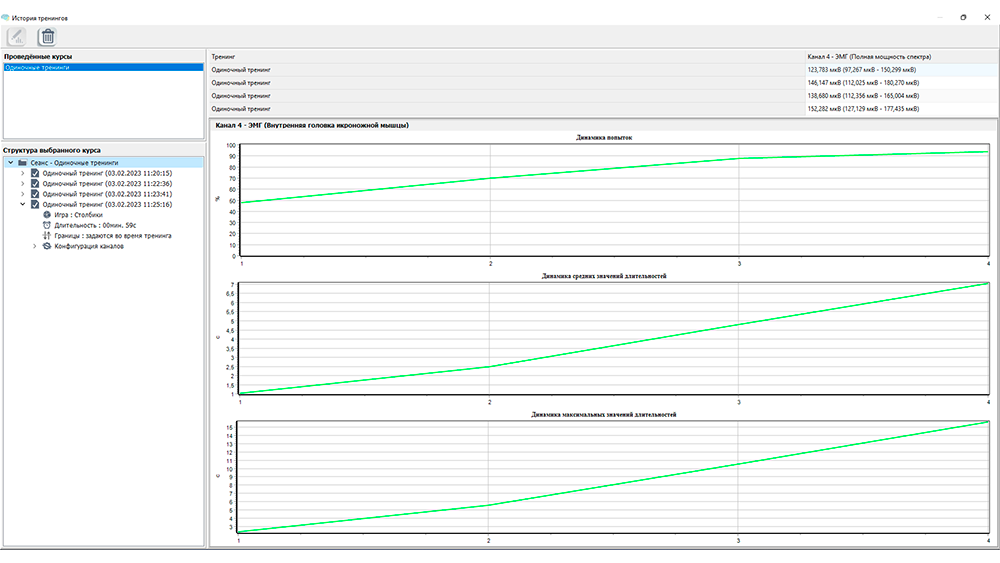
- visually displays the dynamics of indicators within the training course, which enables to evaluate the overall effectiveness of rehabilitation;
- checking the quality of contact between the electrodes and skin during training (indication of electrode detachment);
- contains a built-in database of standard templates and phrases for filling in the fields of the reporting form, with the opportunity to add, save, edit and delete your own templates and phrases.
Database functionality:
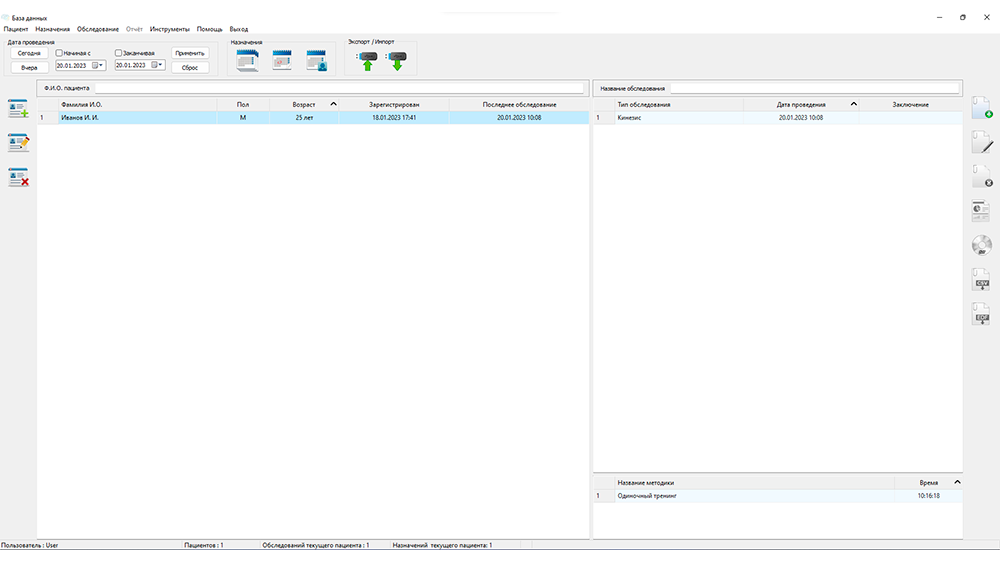
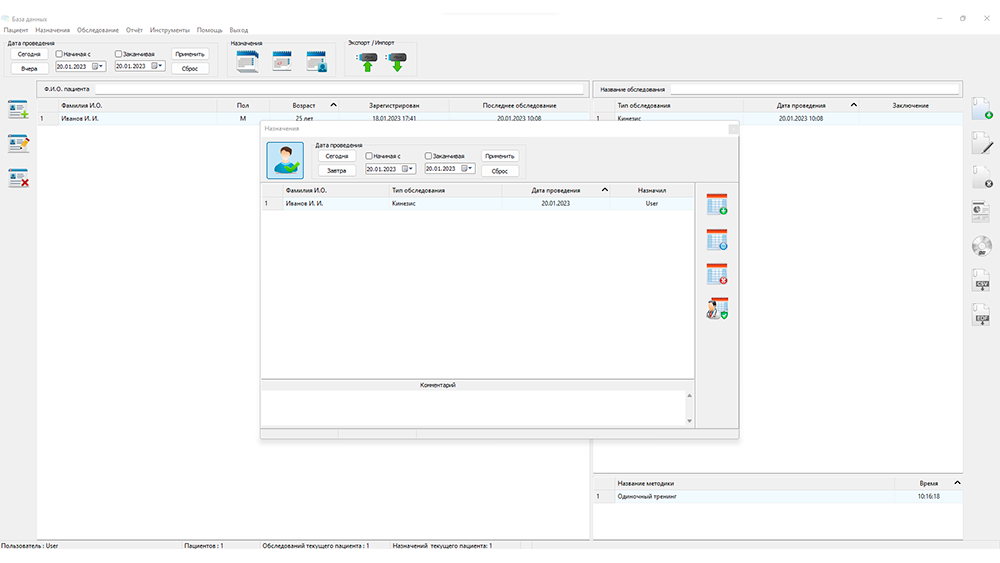
- the user-friendly and intuitive database interface allows to quickly fill in information about the patients during their registration in the electronic card file;
- mechanisms for sorting the patient list by criteria (alphabetical order, gender, age, registration date and last examination date) and quick search for a patient from the list by several letters of the full name;
- wide opportunities for remote and distant analysis of training results by specialists via cloud storage or network drive: completed training sessions are automatically uploaded to any convenient cloud service, which provides access to the results from anywhere in the world;
- the ability to export the reporting form to Microsoft Office Word and PDF;
- import/export of completed training sessions;
- high level of security for the data stored – encryption of results, backup and restoration of the database from a backup copy;
- the ability to create databases individually for each user (specialist).